You want to accept USDC for your website or donations
Aurpay offers various tools allowing to implement USDC-TRC20 payments for your websites or online store.

 Self-custody: take 100% control of your cryptoCheapest fees: save 96% gas for settlement, no hidden costBoost your earning: earn $2/order than other payment processorsFlexible payment options: e-commerce plugins, invoices, donation button, API
USDC is a stablecoin which is pegged 1:1 with US dollar. The value of USDC is designed to remain stable, making USDC a stablecoin. USDC-TRC20 is issued in the TRON blockchain,
It has several advantages compare to other cryptocurrencies, low price vilatility, stable price-pegging, fast transactions.
Aurpay allows businesses and individuals to accept USDC payment. There are thousands of Marketplace with products and services from stores accepting USDC.
Aurpay offers various tools allowing to implement USDC-TRC20 payments for your websites or online store.

Aurpay provides more than 50 popular cryptocurrency options for your customer to choose.

Real-time conversions from fiat to selected crypto,we show payment details to customer.

You can send payout to your personal wallet and perform reconciliation for you.
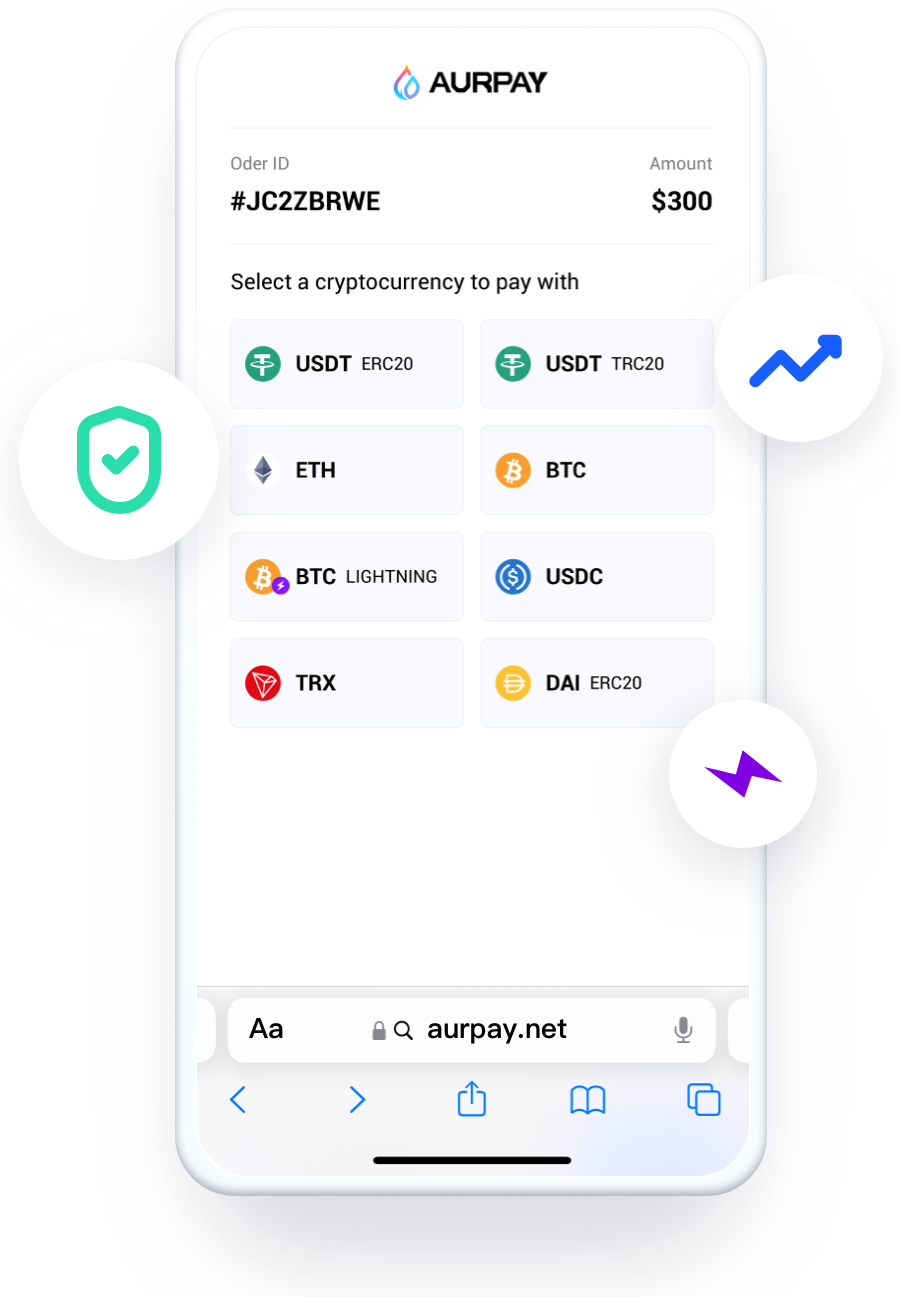
The crypto market is growing tremendously, and many businesses are already accepting cryptocurrencies. Accepting USDC-TRC20 provides more flexibility to your business and will significantly increase your sales, attract potential customers, and also surpass your competitors.
 Instant cross-border paymentsEmbrace 300M+ new, wealthier customersSelf-custody option makes you in control of your moneyEnjoy lowest fees compared to fiat or other crypto payment gateway
1. Sign up an Aurpay merchant account to start with
2. Choose your ecommerce platform & connect to your store
Set up your Merchant ID and Public Key
3. Enable the Crypto you want to accept
4. All done! You are ready to accept crypto payments for your websites

Two facts about your organization decide which payout tool you can use, and neither is technical. The first is who holds the authority to release a payment: one person, a signing threshold, or a vote. The second is whether money belonging to someone else ever...

Of the travel brands people search for most, exactly one large airline switched on direct crypto checkout in 2026, one mid-size European carrier has quietly kept it running for over a decade, and none of the four largest hotel groups accept it at all. Marriott,...

If you accept USDT or USDC but still pay salaries, rent and suppliers in dollars, euros or pounds, you have an off-ramp problem, not a payments problem. Four paths exist: a centralized exchange business account, an OTC desk, a licensed payment provider or stablecoin issuer,...